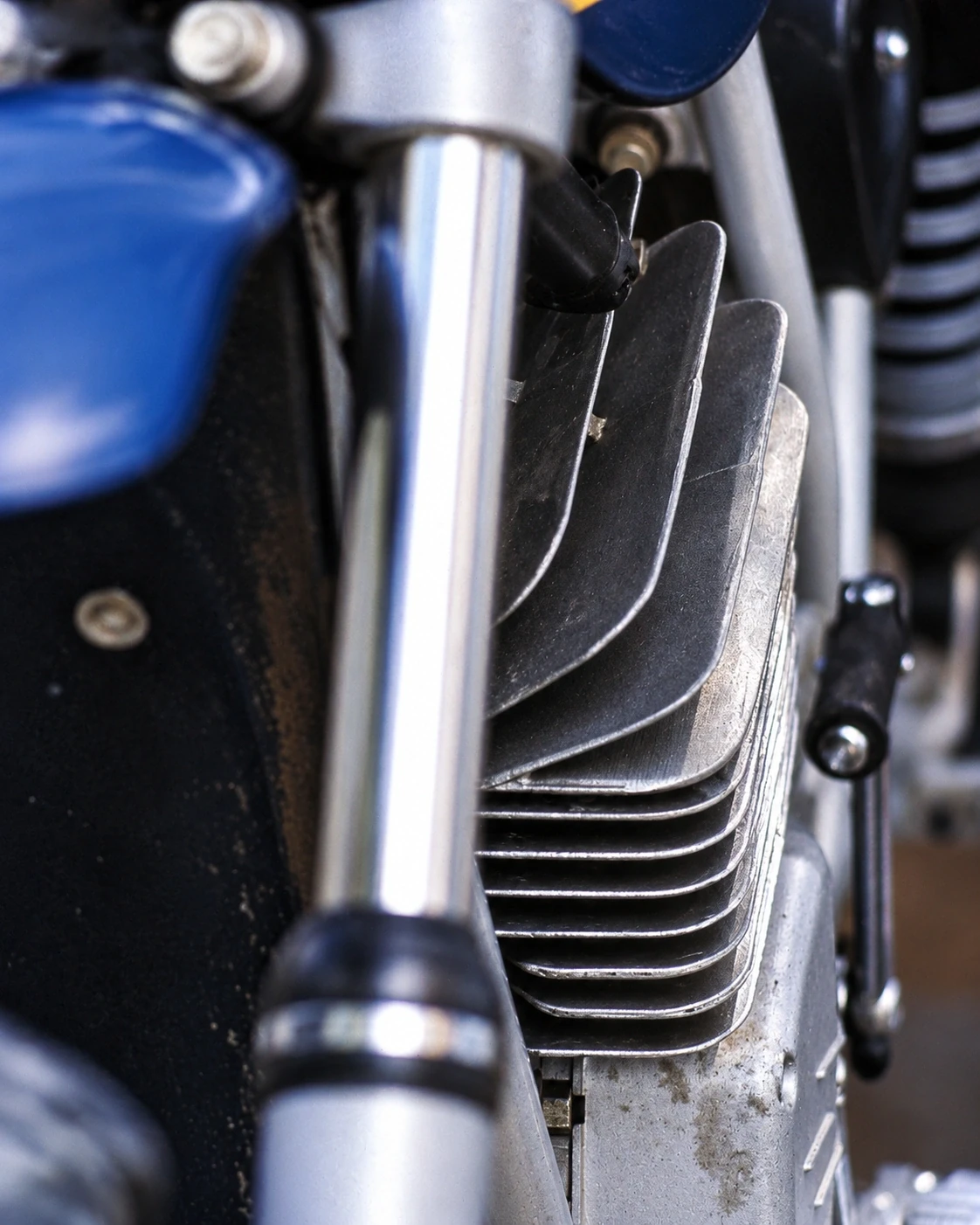
Authentic engine and frame detail, from the GORI book

History / Inside the engineering culture

The idea.
The test.
The motorcycle.

GORI culture takes shape through work: design, build, test, then return to the drawing board. Giancarlo Gori’s story, told to Filippo Zerini, reveals this approach through the voices of those who experienced it.

GORI / History

01 / From component to complete design

A motorcycle
is built.
And rethought.

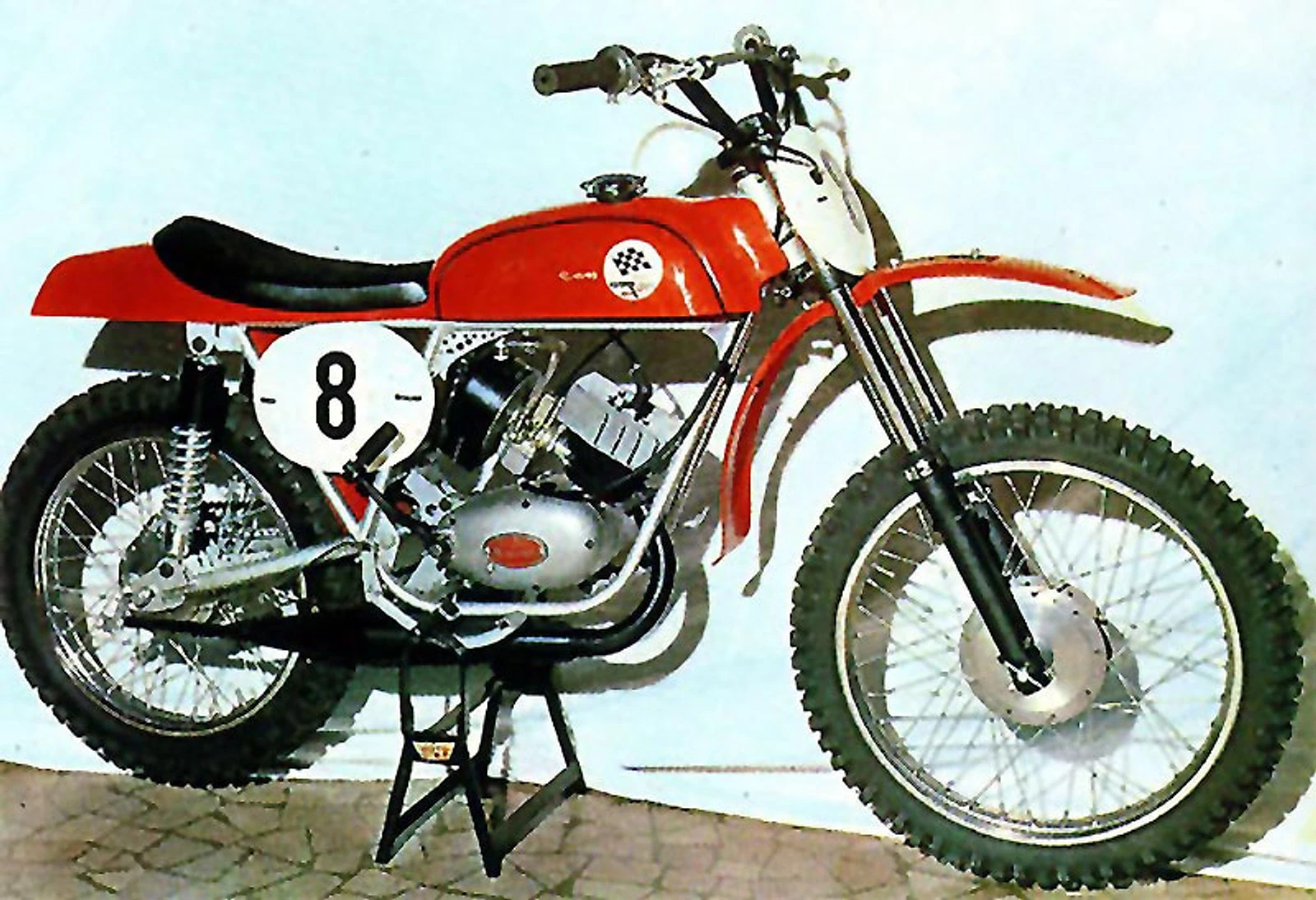
The book describes the first motocross machine with a four-speed Minarelli 50 engine, a Verlicchi frame adapted to GORI’s requirements, and a fibreglass monocoque made by the Ballanti brothers to Giancarlo’s design.

Development continued through testing: stability, handling and proportions were refined through successive changes. In the recollections, dialogue with frame builders and feedback from test riders accompanied the move from prototype to finished motorcycle.

The book dates the appearance at the Milan Show and the agreement with Moto Bimm for road homologation to 1969: a chapter that explains the Gori Bimm name.

From the book Ho fatto tutto con queste mani · pp. 21, 34–36 ↗

Gori Bimm motocross motorcycle, photograph from the historic collection
Gori Bimm / A model from the historic collection, linked to the chapter on the first motorcycles
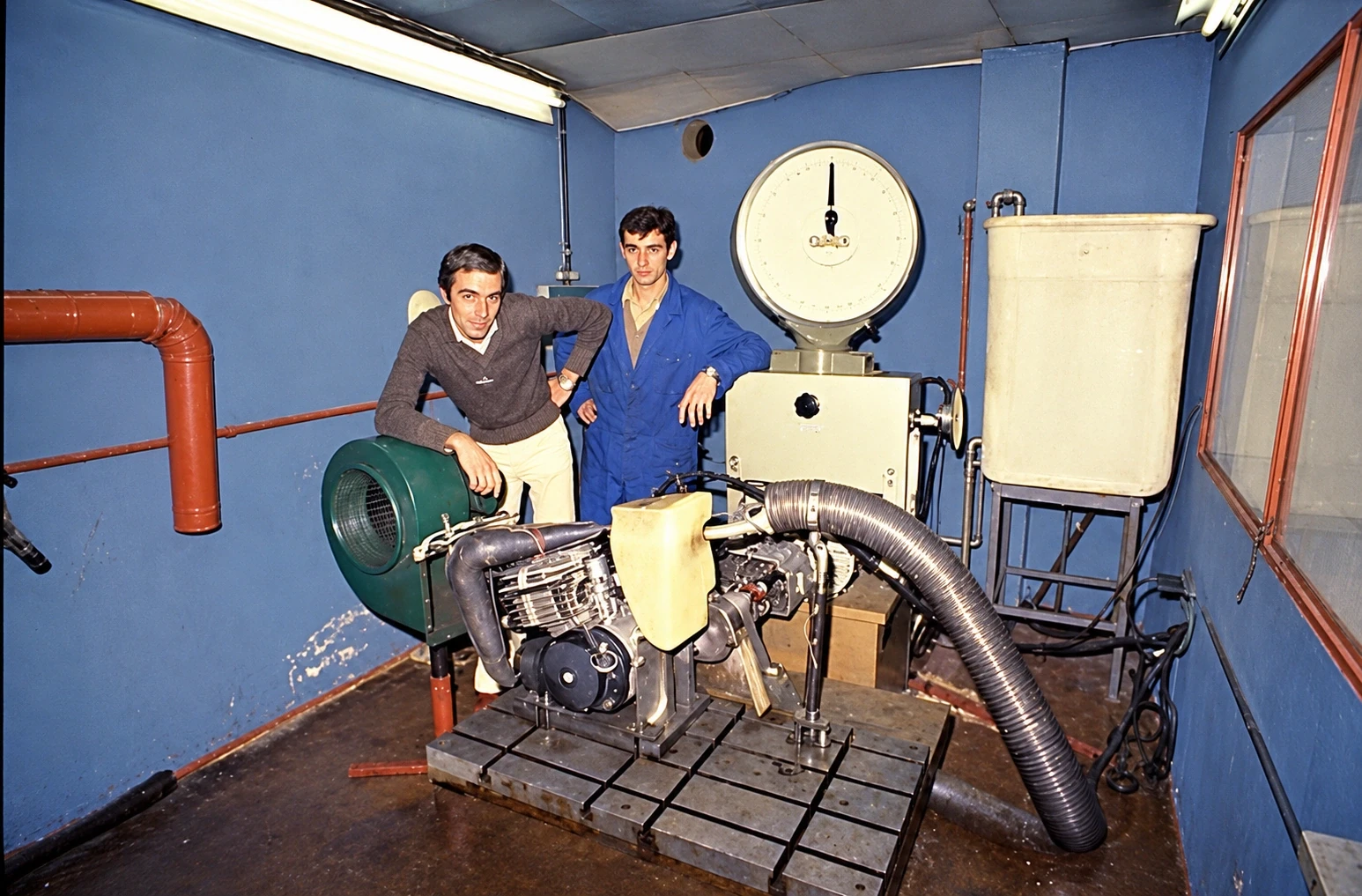
Giancarlo Gori with a colleague at the dynamometer, according to the archive caption
Giancarlo Gori with a colleague at the dynamometer / Heritage archive

02 / Intuition meets measurement

Test.
Measure.
Improve.

The account devotes a chapter to the purchase of a Borghi e Saveri Quick dynamometer. For the historic factory, measuring performance became part of engine preparation.

The dyno and the terrain provided different answers: measurements helped assess the engine; riders tested how that response translated into riding. The design was refined through this exchange.

From the book Ho fatto tutto con queste mani · pp. 34 and 53 ↗

03 / The Via Rocca Tedalda factory

Every detail
is a team effort.

Assembling a motorcycle means bringing different skills together. And taking care of the result, component by component.

The chapter on the assembly line describes each worker’s responsibility: electrics, wheels, seat and finishing. Vasco oversaw the line and checks; a register linked the operations to the people who carried them out.

The book describes production based on manual assembly and careful inspection. An organisation that gave practical form to the attention to detail recalled in the testimonies.

From the book Ho fatto tutto con queste mani · pp. 47–48 ↗

04 / Development and racing

Behind every motorcycle,
more than one pair of hands.

Riders and racing
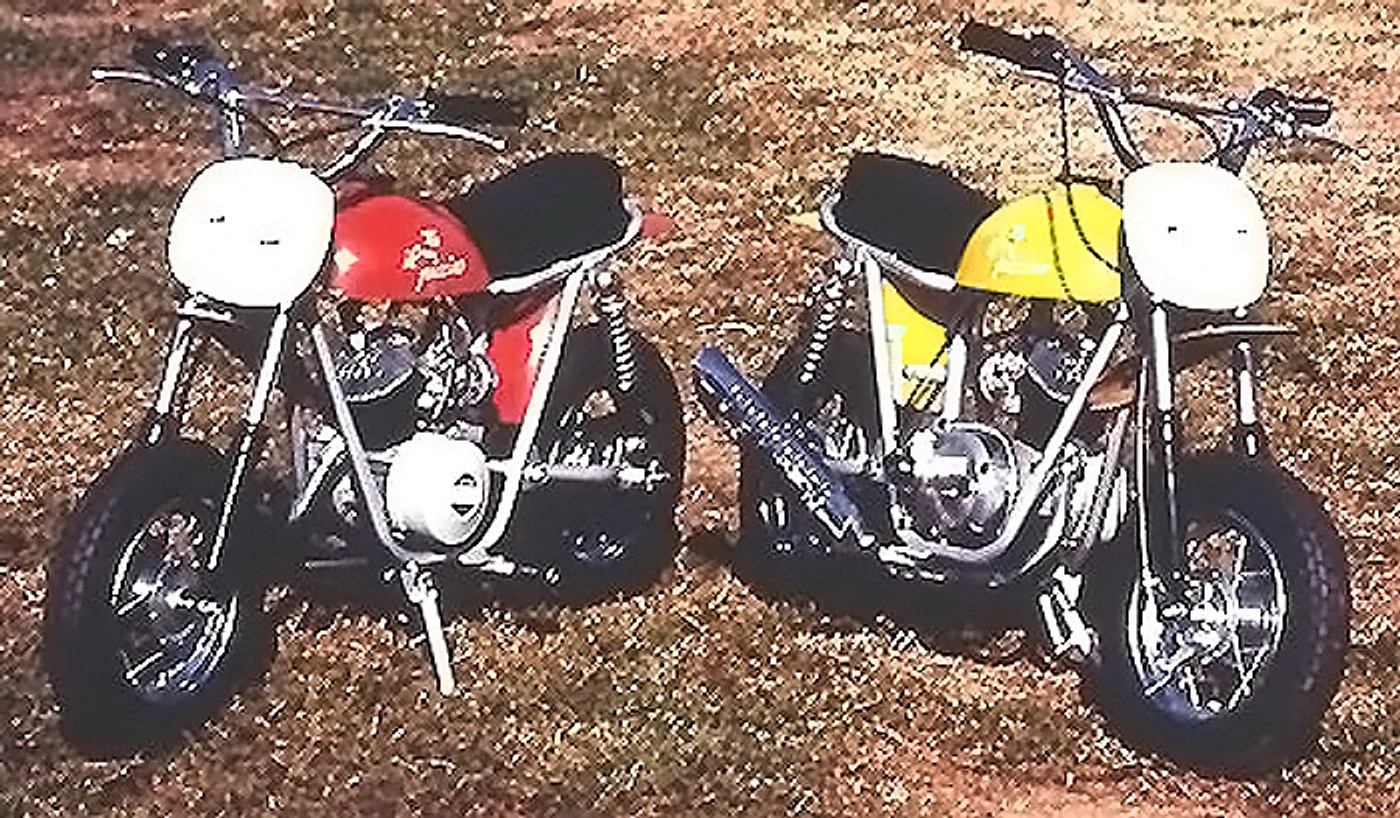
Il Piccino, a GORI minicross motorcycle preserved in the photographic archive
Il Piccino / GORI minicross / Heritage archive

Engineering on a smaller scale

Small.
With a clear idea.

GORI’s research also took the form of the Piccino: the book describes a single-speed minicross bike with an automatic clutch and eight-inch wheels. Alongside the racing motorcycles, it was designed to introduce younger riders to off-road riding.

From the book Ho fatto tutto con queste mani · p. 42 ↗

Explore the historic motorcycles

Recollections in their historical setting

This feature concerns the factory and the people from GORI’s history. The voices in the book are reworked into a brand narrative; the activities and roles described at the time are not presented as current.

Sources and book references